
Palm Sunday
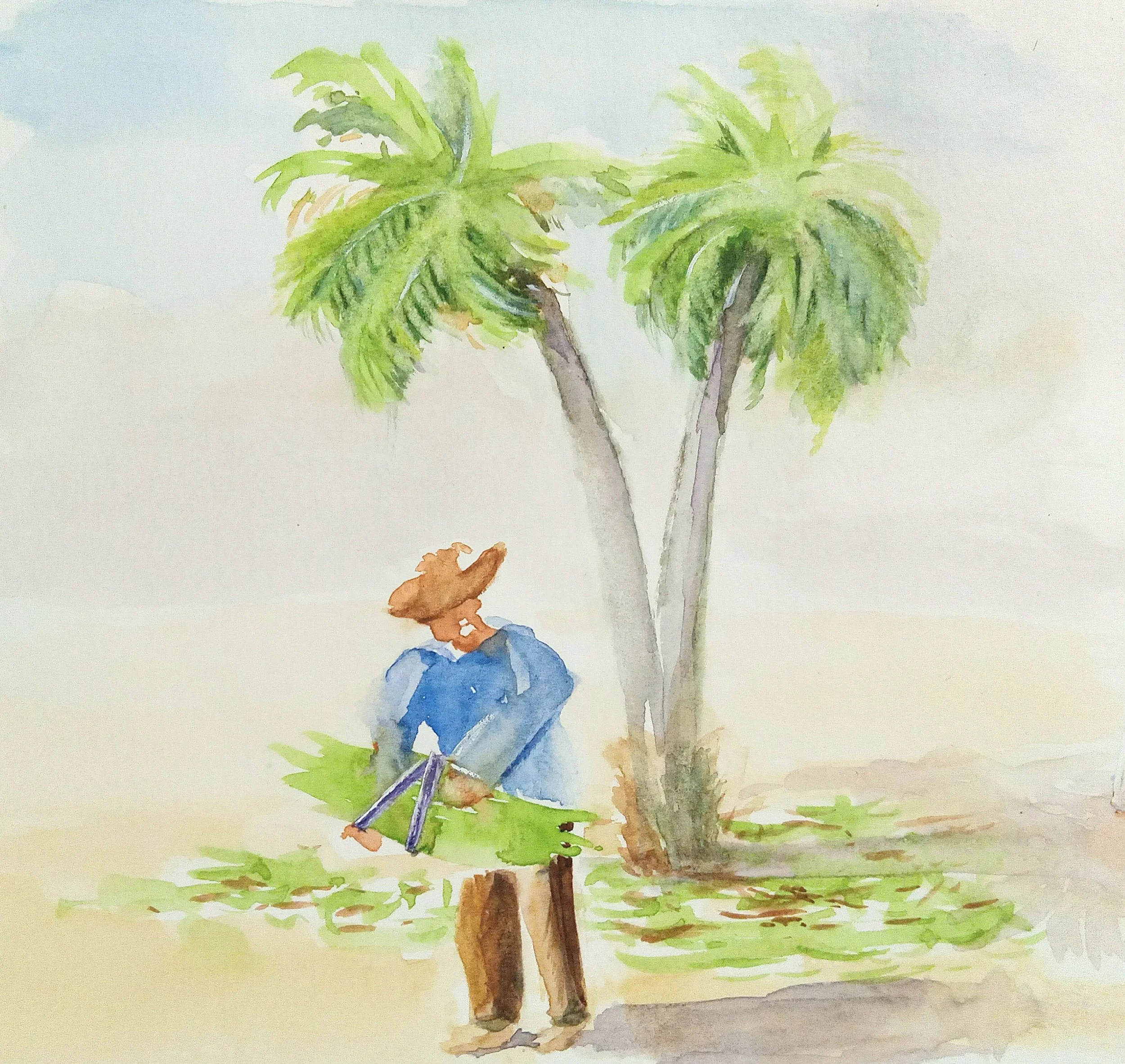
“Begin Lent Anew” By Anonymous
The Heart-Ripping Shift: Experiencing the Passion
By Dr. Manolito S. Jaldon Jr.
In my lived experience of Palm Sunday, the emotional shift is startling every year. After acclaiming Jesus as Hosanna in the highest, we are all seated, a dramatic shift occurs without warning. The Christ whom we hailed only moments ago, cries aloud, “Eli, Eli, lama sabachthani?”
When I hear these words, I am drawn to a work by Annibale Carracci. The Derision of Christ (1596) is housed in the National Art Gallery of Bologna. Carracci evoked empathy in our human souls. He used art to reclaim our emotional connection to catholic doctrine. Carracci has a way of drawing me into this scene through the eyes of Christ. At this moment, Christ is being crowned with thorns, yet his eyes look tenderly upon his persecutor. They are eyes of love, compassion, and forgiveness. In one sense, the words of abandonment resonate, and in another sense, words of immense love capture my wounded heart.
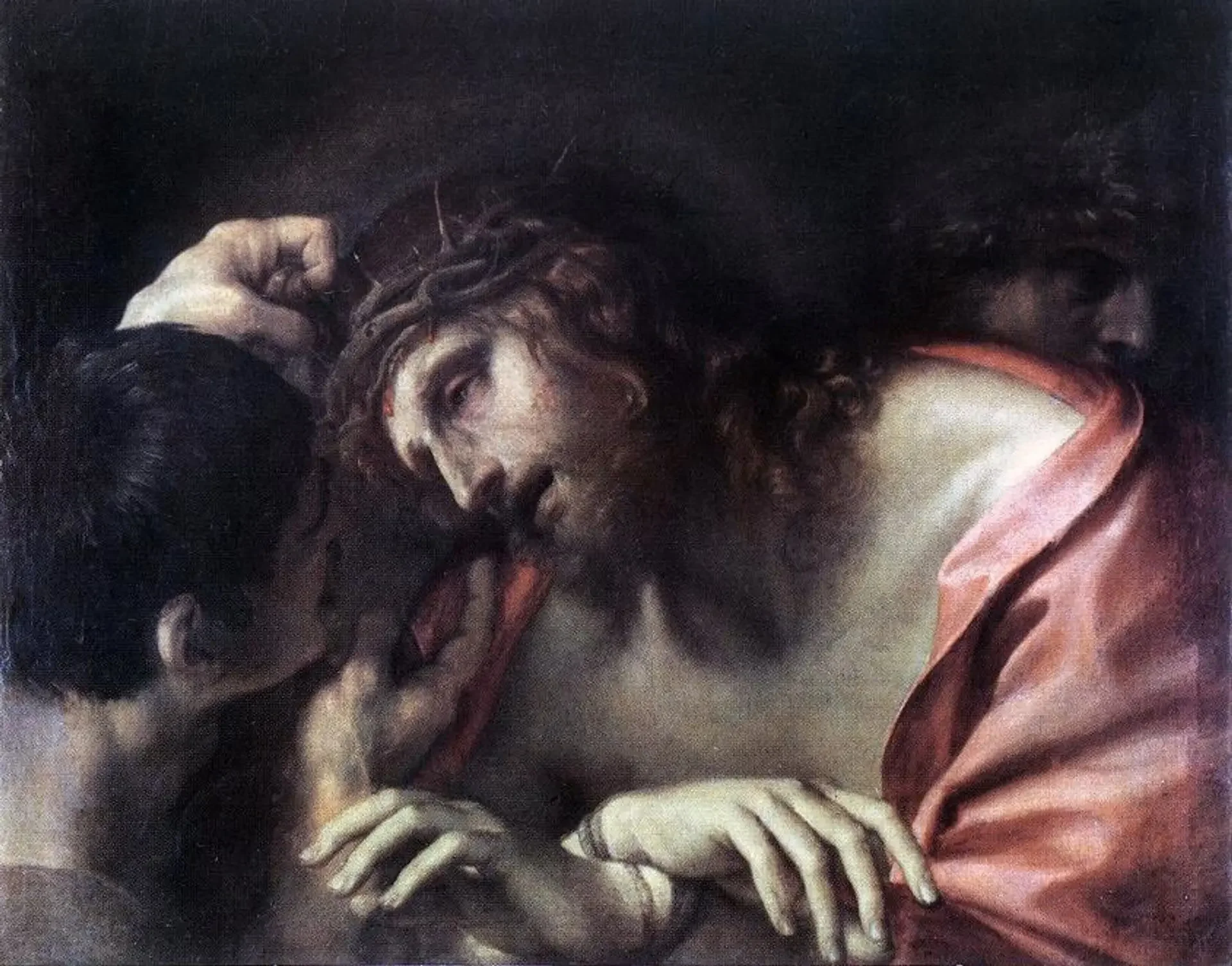
“The Derision of Christ” By Annibale Carracci (1596)
The first half of our Lord’s sentence is in Hebrew, “Eli, Eli…” while the second half is in Aramaic. Yet, the bystanders at Jesus’ cross thought he was calling the prophet Elijah. Elijah was like a patron saint to the Jews, a figure expected to mark the coming of a Savior for God’s people. When Elijah did not appear, the bystanders had even more reason to believe that Jesus was the false Messiah, a conclusion stemming from their mishearing.
When we hear Psalm 22 with Christian ears, our understanding is modulated. We hear an intimate dialogue between Jesus and his Father. Jesus plunges into the depths of human suffering and makes himself present to all those who are in a state of God-forsakenness. As he enters into solidarity with all who suffer, for all time and history, “he takes their cry, their anguish, all their helplessness upon himself – and in so doing he transforms it” (Ratzinger, Jesus of Nazareth, vol. 2, 214).
As we sing this psalm, the people of the assembly become the ‘I’ and ‘we’ of the psalmist. The assembly is grafted into the voice of Christ, addressing the Father in a unified voice. We are bound to our brothers and sisters who cry out in our modern-day injustice. We cry out on behalf of a humanity that feels isolated and desires intimate communion with God.
When we pray these words, our cry becomes the unfolding trust rooted in God. The words that Jesus prayed in the psalms “are now found on our lips, and so they must also be interpreted in the context of the unfolding pattern of our own lives, which will always be some version of the one and only story to which every Christian life is conformed: cross and resurrection” (Reid’s Psalms and Practice, 202-219).
Christ has transposed this psalm into a new understanding of his reckless love, bound not only to suffering Israel but also to all humanity and to those who experience God-forsakenness. This is reckless love that moves our hearts to give ourselves completely to the Crucified One.
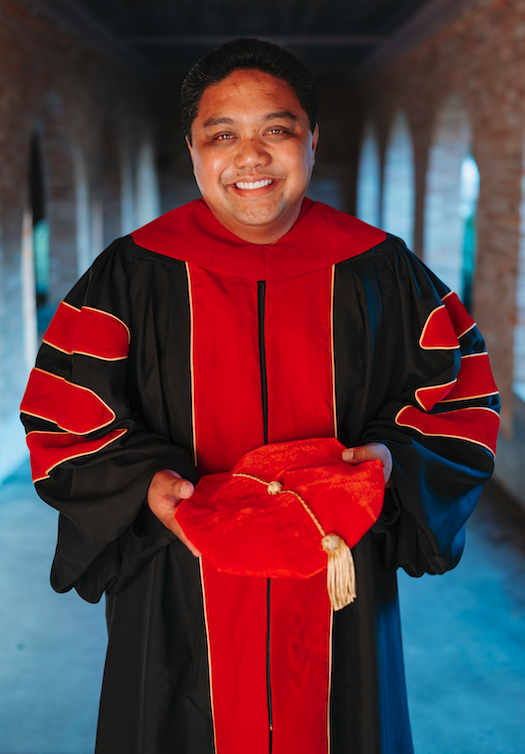
Dr. Manolito Jaldon is the Director of the Lasallian Student Life Office at Sacramento’s Christian Brothers High School. He also writes a blog exploring the intersection of theology and daily life.

Nicholas A. Higgins is a bilingual musician and author. Find out more about him at www.nicholashiggins.com