
Meet Maine-based Artist Gerard Bianco
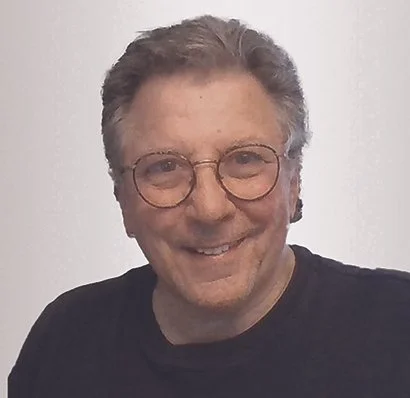
Gerard Bianco is an impressionist painter, author of six books, and educator based in southern Maine. You can find out more about his work on his website.
CATHOLIC ARTIST CONNECTION: Where are you from originally, and what brought you to your current city?
GERARD BIANCO: Born and raised in Brooklyn, NY. Moved to Maine more than 20 years ago. I was living in Manhattan and looking to leave the hubbub of the city. My destination choices had to have certain qualifications. 1) My new domicile needed to be no more than an hour flight back to NYC. 2) It had to have an art atmosphere. 3) I grew up in an Italian-influenced home and I like to eat good food and occasionally go out to eat, and so it had to have fresh food and great restaurants. 4) I grew up on an island and was always surrounded by the sea, (whether you realize it or not, Brooklyn is on an island) and so my chosen destination had to be on the coast. Southern Maine’s coast fit the bill on all counts!
Where in your city do you regularly find artistic fulfillment?
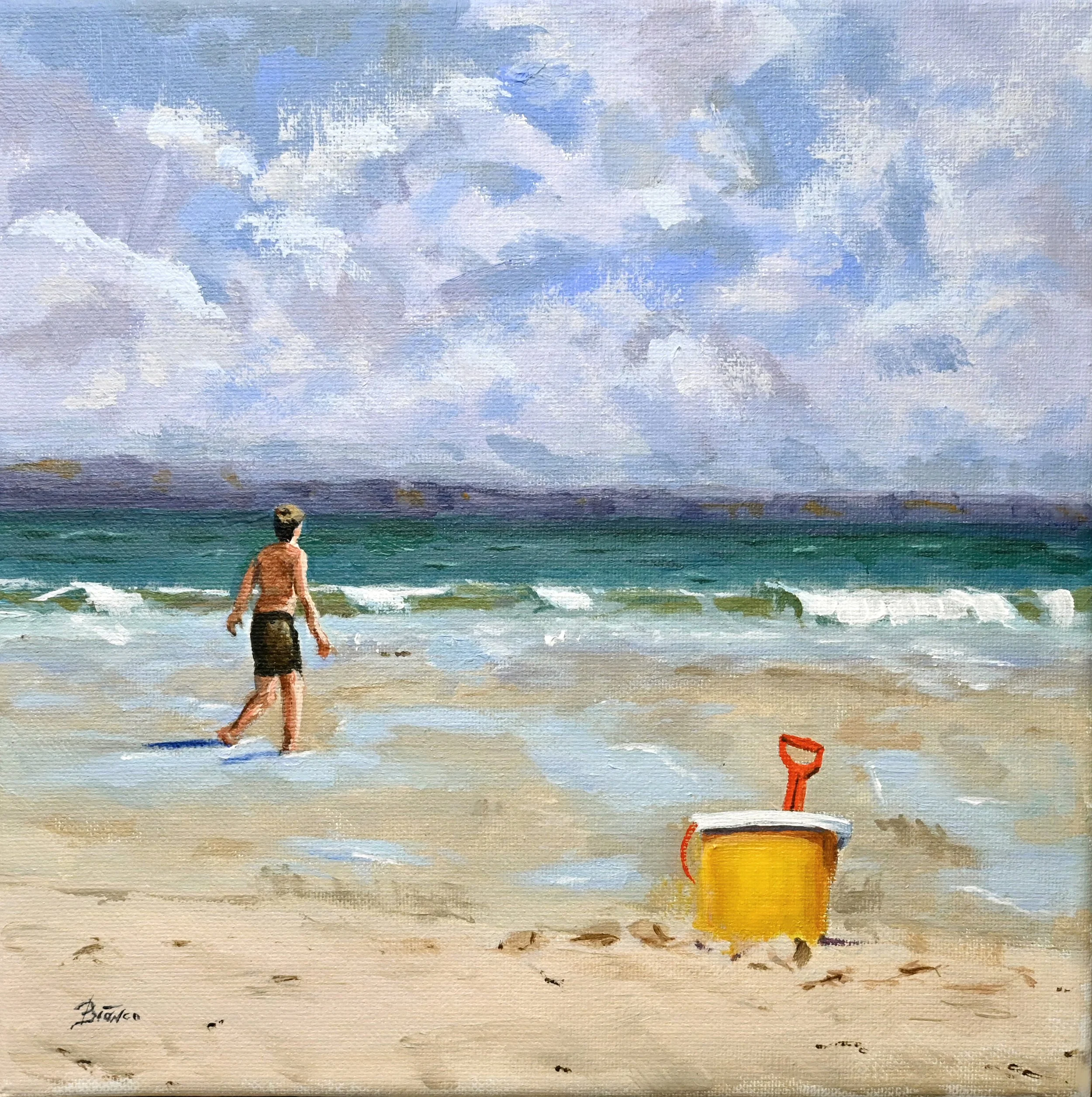
The scenery on the coast of Maine is artistically very inspiring. There are paintings just waiting to happen. Maine’s unique rock formations are heavily shaped by ancient tectonic collisions and glacial activity. Coastal sea cliffs, and towering basalt dikes to wave-carved geological wonders are just a few of the inspirational elements one finds here. Beaches in the summers are picture postcards. People flock from all over the world to be in Maine in the summer. The ocean along Maine's coast is dotted with hundreds of islands just waiting to be explored and painted. Fall in Maine is filled with blazing-colored foliage and magnificent sunsets. The spring brings forth color-exciting plants, and Maine is a winter wonderland with snow scenes that will inspire artists of all disciplines. Personally, I'm now working on a series of beach paintings with figures.
What is your daily artistic practice?
Artistic practice doesn’t only happen when you stand in front of an easel. Artistic practice should take place all the time. Looking at a landscape, an artist should note the shadows in the trees, their colors, the negative spaces between branches and leaves. Cloud formations should be studied for variations in values. When passing flowers sold in the supermarket, one should look at the color variations in the leaves and the juxtaposition of colors of one bunch next to another. An artist should be learning all the time.
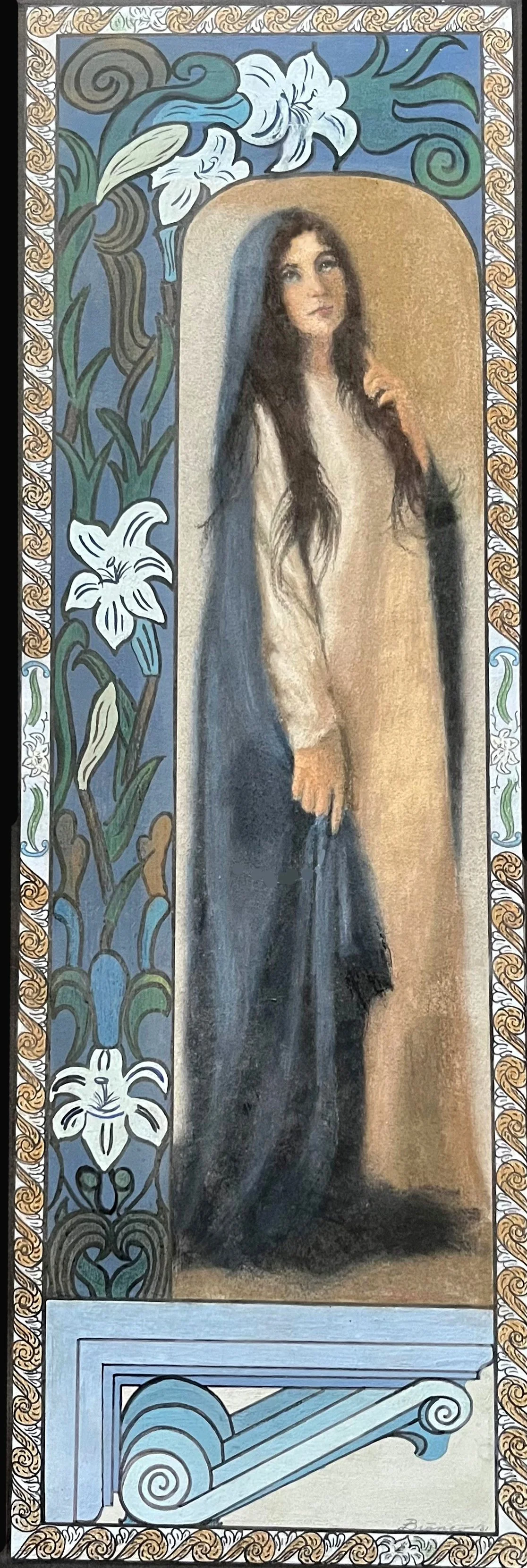
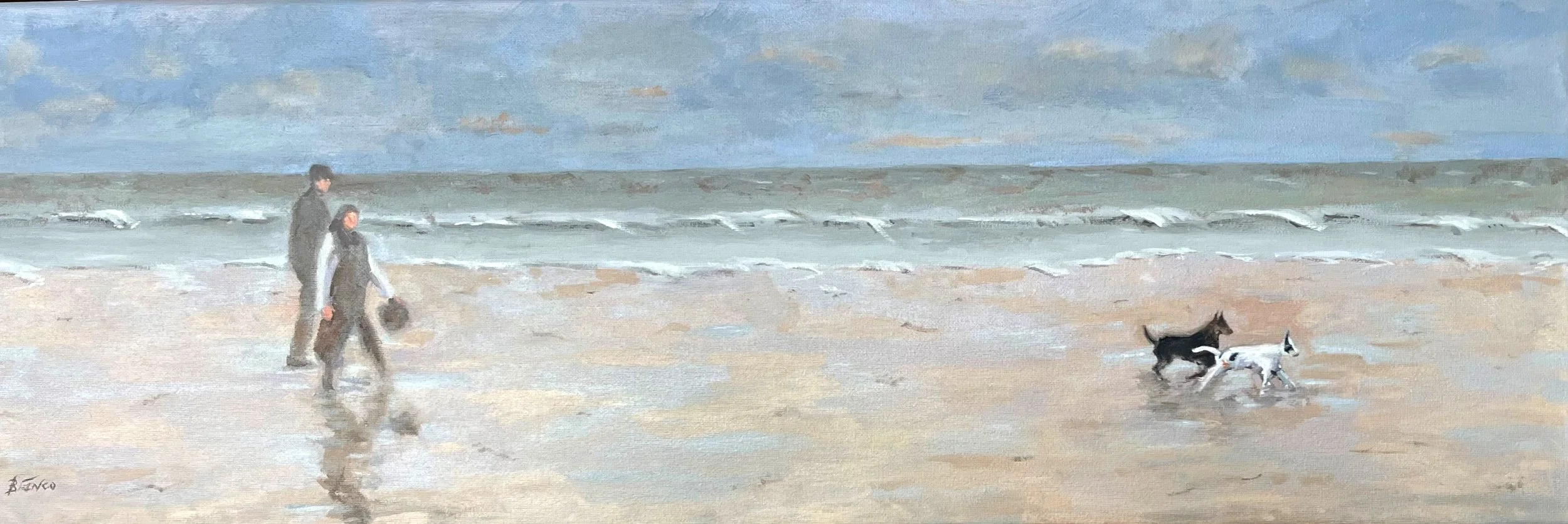
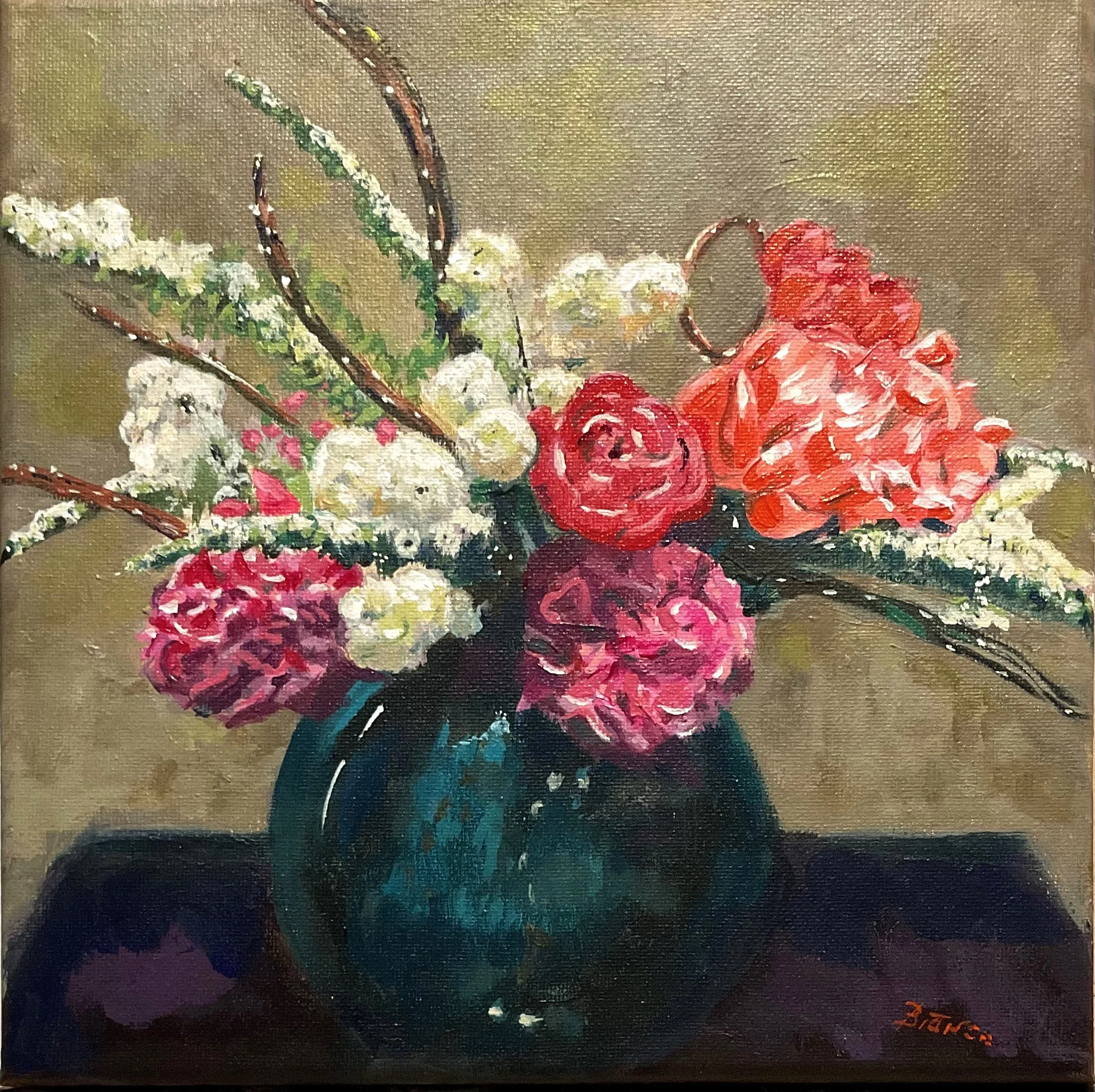
Describe a recent day in which you were most completely living out your vocation as an artist.
I get great joy from creating art: not paintings...art. There’s a difference. I also get a lot of joy helping other painters take their art to the next level. I received an email recently from a former student thanking me for helping to introduce him to painting. He said it has changed his life. That email gave me great joy and justification for living out my vocation as an artist and educator.
What other practical resources would you recommend to a Catholic artist living in your city?
Almost nothing helps an artist improve their painting ability than visiting museums and studying artwork from the past. Southern Maine’s coast is home to the Portland Museum of Art and Winslow Homer’s Studio on Prouts Neck. Only one and half hours away, by car, we have one of the most exciting museums in the U.S., The Museum of Fine Arts in Boston. Practically next door to the MFA is the Isabella Stuart Gardner Museum. The Addison Museum in Andover is a stone’s throw from southern Maine, as is the Currier Museum of Art in Manchester, NH. These are all great resources for study and enjoyment for an artist at any level.
What are your top three pieces of advice for Catholic artists post-graduation?
Practice, practice, practice is the No. 1 piece of advice. The second is to work on paintings that will challenge you. Don’t paint what’s easy. Keep reaching for the next level. The third piece of advice for any artist is to join art groups and co-ops. The painting profession is a lonely job. You work all day by yourself. It’s important to associate with other artists on a regular basis to share ideas and to learn from each other.